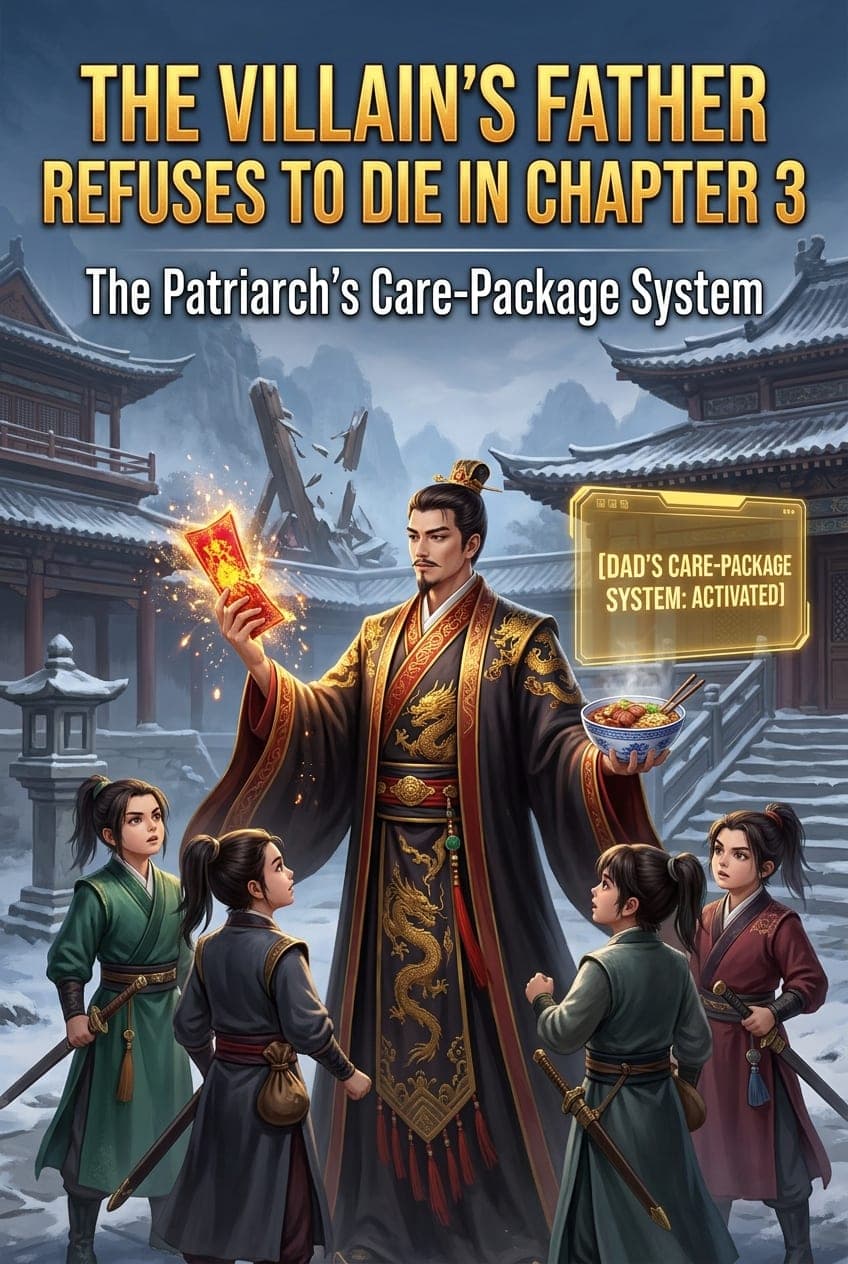
In the high-born quarter of Cangzhou, silver flowed like water as noble families bribed military scribes to replace their sons with tenant farmers and bonded servants.
The snowfall had thickened into a blinding blizzard. That turned the wide thoroughfares of the upper city into silent, white halls. Yet despite the sub-zero wind, the street outside the Provincial Military Administration was choked with over sixty gold-trimmed carriages, their lanterns wrapped in oiled silk to protect the candle flames from the gale.
Liveried retainers stood knee-deep in the snowdrifts, holding heavy silk umbrellas over the heads of patrician patriarchs who waited in line outside the yamen’s side entrance.
Across the avenue, the commercial panic of the city was laid bare. Wealthy grain merchants and pawnshop owners were wildly loading cedar chests onto mule wagons, preparing to flee south toward the central royal heartlands before the northern roads were closed by military decree. Two-story stonework estates that had fetched three thousand silver coins during the autumn were being dumped onto the market for four hundred coins of liquid silver, with no buyers in sight.
Inside the heated front parlor of the office registry, three yamen scribes sat behind a long rosewood counter. The air reeked of burning beeswax, damp wool, and stale tea, mixed with the clear metal clink of silver metal bars being passed beneath heavy shawls.